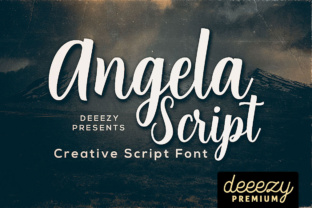
Angela Font: A Polished Script for Business Branding
I recently helped a small boutique owner refresh their product tags and packaging design. They were looking to elevate their brand without spending a fortune on new photography or elaborate illustrations. What ended up making the biggest difference? Choosing the right font — specifically, Angela. As a creative consultant, I’ve seen how subtle typography choices can transform the look and feel of a brand. Angela is a clean and fancy styled script font that adds an air of sophistication to any project it touches. It’s not just another pretty script handwritten font; it’s a tool that helps businesses stand out in a visually cluttered world.
Angela for Product Labels and Handmade Packaging
When you're selling handmade goods, your packaging speaks volumes before the customer even opens the box. That’s why I chose Angela for a candle label redesign. The candle seller wanted something elegant yet approachable, and Angela delivered both. Its fluid curves and refined letterforms gave each label a sense of care and craftsmanship, which matched the brand’s ethos perfectly. For product labels like these, using a high-quality font makes all the difference — it builds trust and creates a memorable visual identity.
The key was balancing readability with style. Even though Angela is a decorative script handwritten typeface, its clean lines and well-spaced characters made it easy to read at a glance. This is essential when customers are scanning shelves or browsing online shops. A font that looks beautiful but is hard to read won’t do much for conversions. Angela struck that balance well, especially when used for short phrases like “Hand-Poured Soy Candle” or “Naturally Scented.”
Angela in Logo Design and Brand Identity
A few weeks ago, I worked with a skincare brand that needed a fresh logo and consistent branding across their product line. Their previous logo felt generic and lacked personality. After testing several options, we landed on Angela as the main typographic element. The result? A brand identity that felt luxurious and authentic. Using a font like Angela in logo design allows you to express elegance without being over the top.
One thing I love about Angela is the variety of stylistic alternates it includes. This means you can tweak individual letters to match your brand’s tone or mood. Whether you want a softer, romantic feel or a more structured, modern look, Angela offers enough flexibility to adapt. And because it’s a script handwritten font, it brings a personal touch to the brand — something that feels hand-crafted rather than mass-produced.
Why Script Fonts Work for Branding
Script fonts have a unique ability to convey emotion and style. They’re often associated with luxury, artistry, and authenticity — perfect for small businesses aiming to build strong brand perception. But not all script fonts are created equal. Some can be too ornate, while others lack clarity. Angela walks the line between beauty and legibility, making it ideal for brand logos, taglines, and signature elements.
Angela for Menus and Café Signage
Cafés and restaurants rely heavily on visual appeal to entice customers. A menu that looks rushed or unpolished can affect how people perceive the quality of the food inside. When I helped a local café redesign their takeout menus and window signage, I suggested using Angela for headlines and titles. It added a touch of class while still feeling friendly and inviting.
For digital menus displayed on tablets or printed versions in paper folders, Angela’s design held up beautifully. I paired it with a simple sans serif font for body text to ensure contrast and readability. This combination — a script handwritten headline with a clean supporting font — is a classic pairing in editorial design and web design. It keeps the information clear while letting the brand personality shine through.
What’s more, Angela didn’t lose its charm when scaled down. The café also used it on their coffee cup stickers and loyalty cards. Smaller sizes can sometimes distort script fonts, but Angela maintained its elegance even in tiny formats. That kind of versatility is rare in a font, and it definitely contributed to the client’s decision to use it across multiple touchpoints.
Angela in Social Media Graphics and Digital Ads
Instagram is where many small businesses spend a lot of time building their presence. If your captions or promotional graphics feel inconsistent or amateurish, it can hurt your credibility. I recently updated a bakery’s Instagram templates with Angela, and the difference was immediate. Their posts now had a cohesive, premium feel that aligned with their product aesthetic.
Using Angela in social media graphics meant they could create custom headers and call-to-action buttons that stood out from the crowd. It’s particularly effective in display text and decorative accents, such as behind event announcements or in thank-you notes. Since it’s a script handwritten font, it brings warmth and character to digital content — exactly what handmade brands need to connect emotionally with their audience.
I also tested Angela in a series of Facebook ads promoting seasonal items. The font performed well in thumbnails and mobile screens, which is crucial for ad visibility. While it’s best suited for headlines and short phrases, it can also work effectively in longer form if carefully spaced and formatted. Just remember, in digital advertising, every detail counts, and Angela’s attention to detail is one of its strongest features.
Font Pairing Tips for Commercial Use
One of the things I always emphasize to clients is font pairing. Even the best font can fall flat if it doesn’t work well with other typefaces. With Angela, I recommend pairing it with a clean sans serif font like Montserrat or Lato for maximum contrast and clarity. Alternatively, a more traditional serif font like Playfair Display can complement its elegance for a timeless look.
- Sans Serif Pairing: Great for modern, minimalist aesthetics.
- Serif Pairing: Adds a touch of tradition and sophistication.
- Monotone Layouts: Works well in black-and-white or grayscale designs.
It’s important to check the included styles and file formats when choosing a commercial font. Angela comes with everything you need for print and digital use, including OpenType features like ligatures and alternates. These details make it easier to customize your brand assets while maintaining professionalism and consistency.
Readability Across Platforms
Here’s a tip I learned early on in my career: never assume a font will look good everywhere. I once saw a boutique ruin their shop visuals by using a highly stylized script handwritten font in small sizes. It became unreadable. Angela avoids this pitfall thanks to its balanced stroke weights and open counters. You can confidently use it in business cards, flyers, and even product mockups without worrying about legibility issues.
But there are limits. While Angela works great for headlines, it’s not the best choice for long paragraphs of text. Stick to using it for brand names, taglines, or impactful quotes. When building your brand identity, think of Angela as the voice that says “I care about how I present myself,” rather than the entire conversation.
How Angela Enhances Brand Consistency
Brand consistency isn’t just about repeating colors or logos — it’s also about typography. Imagine using different fonts for your website banner, social media posts, and packaging. It might look disjointed and unprofessional. By using Angela across all materials, a brand can maintain a unified visual language. This is especially powerful for handmade sellers, who often want to feel close to their audience through design choices.
One of my favorite examples was a stationery brand that used Angela for their product titles, email headers, and shipping labels. Every time a customer interacted with their brand, they were met with the same warm, stylish script handwritten font. Over time, this repetition helped build recognition and trust. People started associating the font with the brand itself — a subtle but powerful effect.
As a font designed for a wide range of projects, Angela gives you the freedom to apply it creatively while keeping your brand identity intact. Just make sure to review the licensing agreement before using it commercially. Many indie fonts come with limitations, but Angela appears to support most common uses, which is a big plus for independent creators and small businesses.
Practical Typography Advice for Real-World Use
If you’re thinking about using Angela for your next project, here are a few tips to get the most out of it:
- Use it sparingly: Because it’s a decorative script handwritten font, overuse can lead to visual fatigue. Save it for headlines, logos, and short statements.
- Check the alternates: Make sure to explore all the stylistic options available. These can help differentiate your brand from others using the same base font.
- Test on real materials: Before finalizing your design, print a sample of your packaging or label. See how it looks under different lighting conditions and distances.
- Review multilingual support: If your brand caters to international audiences, confirm that Angela supports the characters you’ll need.
Typography may seem like a small detail, but it plays a huge role in how your brand is perceived. Angela isn’t just a pretty font — it’s a strategic design choice that enhances first impressions, improves readability, and reinforces your brand’s message. Whether you’re working on a logo, product label, or social media template, Angela can help you create something that feels both professional and personable.
In the end, it’s not just about having a nice-looking design. It’s about building a brand that people remember and trust. And with the right script handwritten font, you can do just that — without breaking the bank or needing a full-time designer.